We tried a couple of macarons and we were shocked at how great they were! We even went back another day to get a whole box. Amazing taste and super fresh and juicy. Definitely recommend to try! They have so much variations it’s awesome.
Overview
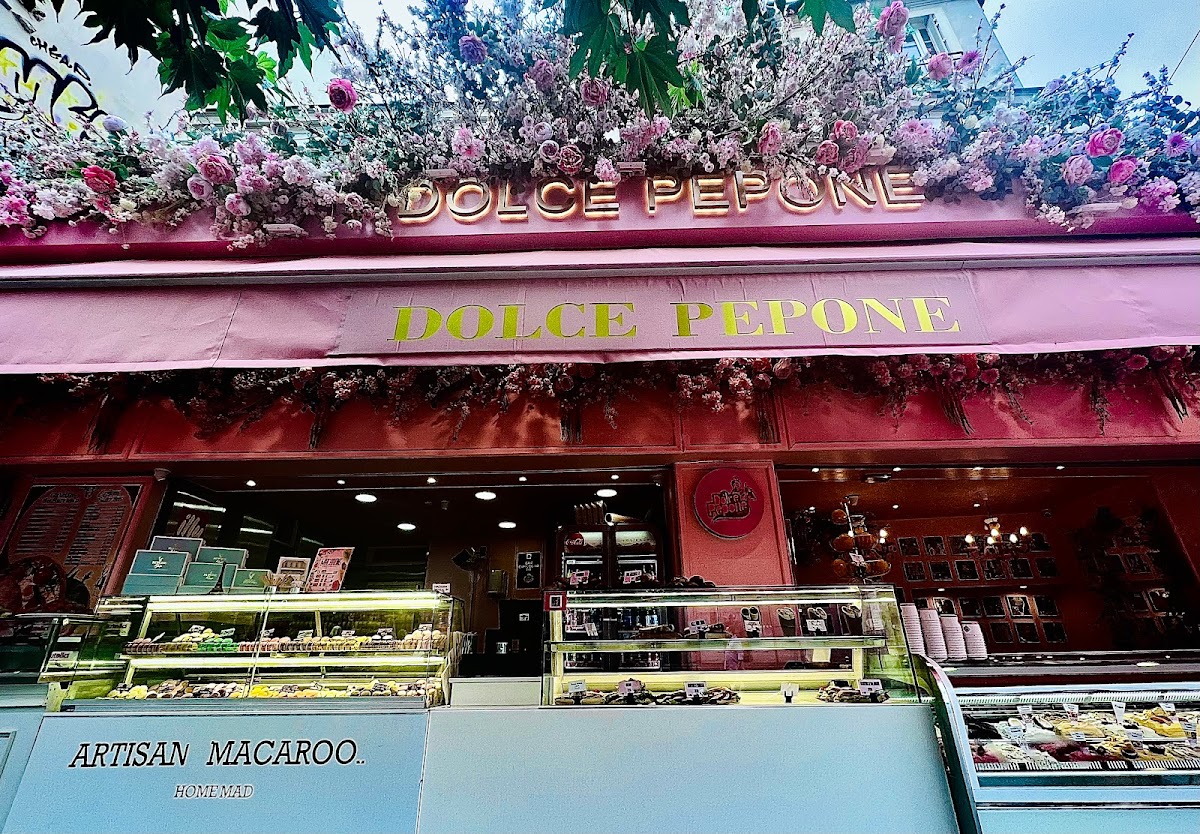
Walking into Dolce Pepone for the first time felt like stepping into a neighborhood secret that locals quietly guard. Tucked along 65 Rue des Abbesses, 75018 Paris, France, this small Italian spot sits right in the heart of Montmartre, where cafés spill onto the pavement and dinner plans often turn spontaneous. I stopped by on a rainy weekday evening after a recommendation from a Paris-based food writer I’ve worked with before, and within minutes it was clear why this place keeps popping up in casual conversations and glowing reviews.
The menu leans Italian without trying to impress anyone with theatrics. Instead, it focuses on comfort and consistency. I watched the kitchen send out plates of fresh pasta at a steady rhythm, the kind of pace that tells you the cooks know exactly what they’re doing. I ordered the rigatoni with tomato sauce and burrata, a simple dish that leaves no room for mistakes. The pasta was properly al dente, the sauce balanced between acidity and sweetness, and the burrata added that creamy finish people chase but rarely get right. A nearby table shared pizzas with blistered crusts and airy edges, and judging by the silence that followed the first bite, they were doing something right.
What stands out is how the process feels grounded. The staff explained that the dough rests for a full day before baking, which aligns with methods recommended by Italian culinary schools and associations like the Accademia Italiana della Cucina, known for preserving traditional standards. That slow fermentation showed in the flavor and digestibility. Even after a generous meal, I didn’t feel weighed down, something nutrition researchers often associate with properly fermented dough.
The location plays a big role in the experience. Rue des Abbesses is lively without being chaotic, and Dolce Pepone fits into that rhythm naturally. According to data from INSEE, Paris has one of the highest concentrations of restaurants in Europe, which makes consistency and local loyalty essential for survival. This place seems to understand that reality. Instead of chasing trends, it sticks to a clear identity, which explains why reviews often mention repeat visits rather than one-off experiences.
I came back a second time with a friend who lives nearby and knows the area well. She pointed out that the crowd is usually a mix of locals and curious visitors, a balance that’s hard to achieve in tourist-heavy neighborhoods. We shared antipasti, including cured meats and marinated vegetables, and noticed how the portions encourage conversation rather than rushing through a meal. That pacing matters. Hospitality studies published by organizations like the Cornell School of Hotel Administration often highlight how meal flow affects overall satisfaction, and here it felt intentional.
Service deserves its own mention. The team is informal but attentive, offering wine suggestions without hovering. When I asked about the origin of the olive oil, the server admitted they rotate suppliers depending on availability, which was refreshingly honest. That kind of transparency builds trust, even if it means acknowledging small limitations in sourcing consistency.
Prices sit comfortably in the mid-range for Paris, especially considering the location. You’re paying for quality ingredients, a prime address, and a dining room that feels lived-in rather than staged. Reviews online echo this sentiment, often highlighting value rather than bargain pricing, which tends to signal long-term credibility.
Dolce Pepone isn’t trying to redefine Italian dining in Paris, and that’s precisely its strength. It delivers reliable food, a relaxed atmosphere, and a sense of place that feels earned. For anyone exploring Montmartre and looking for a meal that feels genuine rather than curated, this address keeps proving why word of mouth still matters.
Good to know
Service options
✓ Outdoor seating ✓ Takeaway ✓ Dine-in ✓ DeliveryHighlights
✓ Great coffee ✓ Rooftop seatingPopular for
✓ Breakfast ✓ Lunch ✓ Solo diningAccessibility
✓ Wheelchair-accessible toilet ✓ Wheelchair-accessible car parkOfferings
✓ Alcohol ✓ Beer ✓ Coffee ✓ Late-night food ✓ Organic dishes ✓ Quick bite ✓ Small plates ✓ Vegetarian optionsDining options
✓ Breakfast ✓ Lunch ✓ Dinner ✓ Counter service ✓ Dessert ✓ Seating ✓ Table serviceAmenities
✓ Toilet ✓ Wi-Fi ✓ Wi-FiAtmosphere
✓ Casual ✓ Cosy ✓ TrendyCrowd
✓ Family friendly ✓ LGBTQ+ friendly ✓ Tourists ✓ Transgender safe spacePayments
✓ Credit cards ✓ Debit cards ✓ Meal coupons ✓ NFC mobile payments ✓ Credit cardsChildren
✓ Good for kidsParking
✓ ParkingPhotos
1 / 4
Location
Reviews
- No ratings yet 550 reviews
Amazing macaroons! Best we've ever had. Some baked goods, sandwiches, and Gelato also available. Friendly staff as well.
Stopped here for a treat while exploring Montmartre, and got a box of 8 macrons. Staff were friendly, and the macrons were beautiful. My favorite was pistachio.
The best and freshest seafood. Crab claws the size of my hands and huge lobsters. Prices extremely reasonable. Coming from San Francisco and Redondo Beach, this review says a lot.
We went here on both the 2 days we visited Paris. I had the Violet icecream both times and loved it! Also loved the "everything pink" vibe in and outside.
Saved my macaron-virginity for Paris and glad I did. Great variety of flavors and pleasant surprises in the champagne and Kinder Bueno macarons. Not value-priced, but vacation is an extravagance. Spend $13 on a half-dozen cookies once in your life.